Al Amin Mosque and St George's Cathedral, Beirut, 2019. Photo: Theodore Ell.
How do we ensure that writing about the personal past illustrates something beyond the person? How do we emphasise the salient fact in a tangle of intimately recorded details? And how do we achieve this when writing from memory, as opposed to when writing from evidence? This discussion will consider the contrasting methods, problems and ethics involved, from the point of view of a writer who has been both a memoirist, writing from inside life, and a biographer, writing from outside it. Theodore Ell’s memoir Lebanon Days (2024) is his personal account of witnessing revolution and economic collapse in Lebanon in 2019 and surviving the Beirut port explosion of 2020. From this, he has turned to a new authorised biography of the major Australian poet Les Murray (1938-2019). Bridging these two wildly differing subjects and life-writing stances is a common store of ethical and technical questions, which this discussion will illustrate with insights from both projects, to propose that memoir and biography do not necessarily approach life-writing from opposite directions.
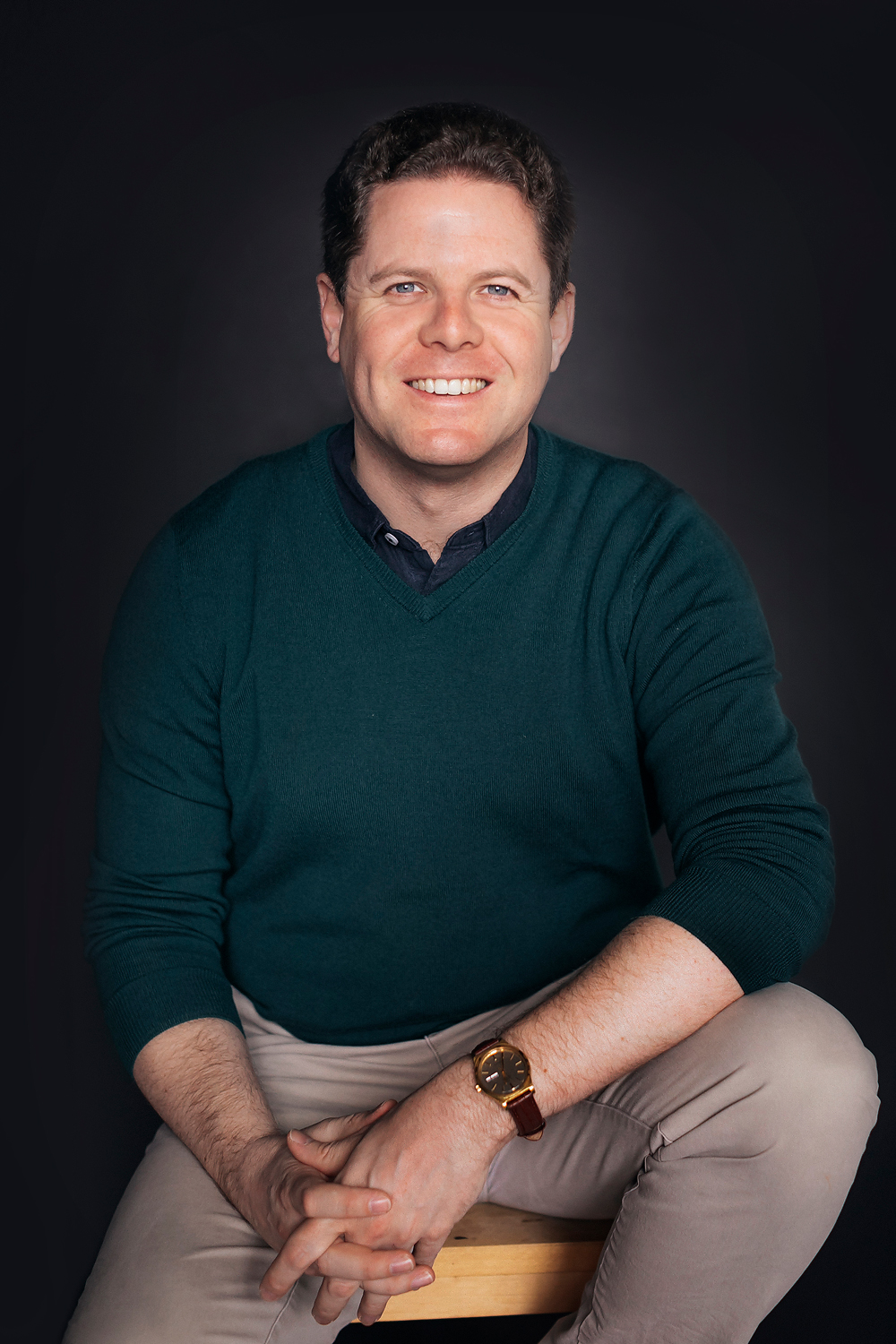
TheodoreEll is an Honorary Lecturer in literature at the ANU. His memoir Lebanon Days was Highly Commended in the 2025 ACT Book of the Year awards and built on his essay ‘Façades of Lebanon,’ which won the 2021 Calibre Essay Prize. He is currently engaged in research for a new authorised biography of the poet Les Murray, This Country Is My Mind. He has previously written on Les Murray for Australian Literary Studies. His own poetry collection, Beginning in Sight, shared the 2022 Anne Elder Award.
Location
Speakers
- Dr Theodore Ell
Contact
- Dr Stephen Wilks(02) 6125 2349
Image Gallery